Why SEO Remains the Foundation of Effective Digital Marketing
Early in my career, I managed a small e-commerce site that sold handmade ceramics. The site looked beautiful - clean typography, lovely product photography, and a checkout flow I was proud of. But after three months, total visitors hovered around 200 a month, and most of those were me refreshing the page. I had built a shop on a side street with no sign pointing to it. That was my first real lesson in SEO: without visibility, even the best website is just a digital ghost town.
Over the years, I have worked with dozens of businesses trying to grow their online presence. Some had massive budgets and spent heavily on paid ads. Others had almost nothing and relied on word of mouth. The ones that built lasting traffic, though, all shared one habit: they treated SEO as a long-term investment, not a quick fix. They understood that ranking well in a search engine takes patience, consistent effort, and a willingness to adapt as the rules change.
What SEO Actually Means for a Business Today
SEO gets thrown around as a catch-all term, but at its core it is about making your website more findable and more useful. When someone types a question into Google, the search engine tries to surface the best answer. SEO is the practice of helping your site become that answer. It is not about tricking algorithms or stuffing keywords into invisible text. Those tactics stopped working years ago, and Google Algorithm updates like Panda and Penguin actively penalize them.
Modern SEO sits at the intersection of technical performance, content quality, and user experience. You can write the most insightful article in your industry, but if your pages take six seconds to load, people will leave before reading it. PageSpeed Insights gives you a concrete score for that load time, and it often reveals simple fixes - compressing images, enabling browser caching, or cleaning up bloated code - that can cut load time in half. I have seen sites jump several positions in search results just by improving speed, because Google treats that as a strong signal of quality.
At the same time, you can have a technically flawless site with no useful content and get almost no organic traffic. The balance is delicate. One client I worked with had a fast, mobile-friendly site but almost no written content beyond product descriptions. Their bounce rate was high because visitors landed on a page and found no context, no answers to common questions. Adding a simple FAQ section and a few blog posts targeting long-tail keywords doubled their monthly visitors within two months. That is the practical payoff of combining technical SEO with content marketing.
Tools That Make SEO Measurable
One of the biggest shifts I have seen in the last decade is how many tools now exist to measure and guide SEO work. Early on, you mostly guessed what keywords people used and checked your ranking manually. Now we have platforms that show exactly which terms drive traffic, where your backlinks come from, and how your competitors are performing.
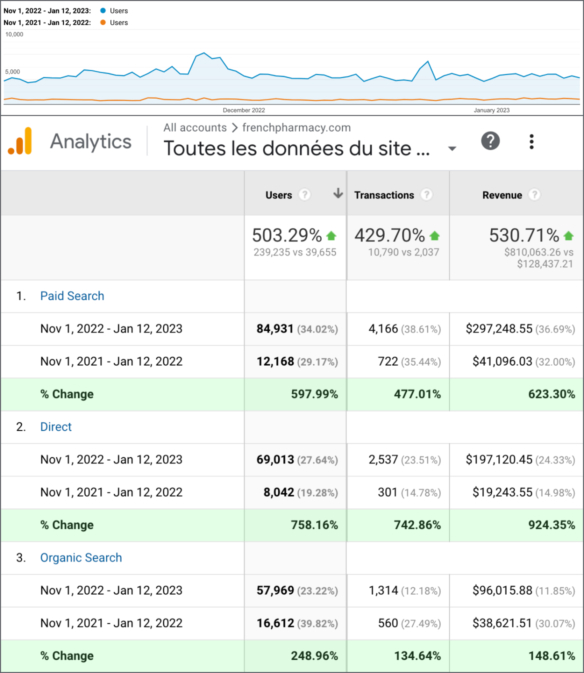
Google Analytics remains the starting point for most businesses. It tells you which pages get the most visits, how long people stay, and where they come from - organic search, social media, direct type-ins, or referrals. Pairing that with Google Search Console gives you direct insight into which queries actually show your site and what your average position is. That combination alone can guide most of your initial decisions.
For deeper competitive research, tools like Ahrefs, Moz, and SEMrush are invaluable. They let you see which keywords your competitors rank for, how strong their backlink profile is, and where gaps in your own strategy might be. I remember using Ahrefs for a client in the home renovation space. We discovered that a competitor ranked well for "bathroom remodeling cost" simply because they had a single detailed post with a cost breakdown. We wrote a more thorough guide with regional pricing examples and built a few relevant backlinks. Within six weeks, we outranked them for that term. That kind of targeted work is only possible with good data.
On the content creation side, Yoast SEO is a practical helper for WordPress sites. It checks readability, keyword usage, meta descriptions, and alt text suggestions right inside the editor. It will not write your content for you, but it catches common mistakes like missing alt text on images or a meta description that is too long. I have seen writers dismiss tools like that as crutches, but when you manage multiple pages, a little automation prevents sloppy errors that hurt rankings.
On-Page SEO and the Details That Matter
On-page SEO covers everything you control directly on your site. That includes title tags, headings, meta descriptions, image alt text, internal links, and the structure of your content. These elements tell both users and search engines what a page is about. Getting them right does not guarantee a top ranking, but getting them wrong almost guarantees you will not rank well.
I have a simple rule when writing on-page content: write for a human first, then optimize for the search engine. If a title tag reads like a checklist of keywords, people will skip it in the results. If a meta description is just a list of terms, nobody clicks. But if you write a clear, compelling sentence that answers the searcher's question, clicks follow naturally, and the algorithm rewards that engagement.

Alt text is another area where I see frequent neglect. Many sites leave image alt attributes blank or stuff them with irrelevant keywords. Good alt text describes what the image shows for someone using a screen reader, and it helps the search engine understand the image content. For a product photo, something like "Hand-thrown ceramic mug in matte navy finish with a speckled rim" is far more useful than "mug" or "ceramic mug product image blue." That extra context can help the image appear in image search results, and it improves accessibility for real users.
Link Building and the Role of Backlinks
Backlinks remain one of the strongest signals of authority. When a reputable site links to yours, it acts like a vote of confidence. But not all backlinks are equal. A link from a well-known industry publication carries far more weight than dozens of links from low-quality directories or comment spam. I have seen businesses waste months chasing any link they could get, only to see no movement in rankings, or worse, get penalized for unnatural patterns.
Effective link building usually starts with creating something worth linking to. That could be original research, a comprehensive guide, a useful tool, or a data-driven case study. When you have a resource that genuinely helps people, other sites will link to it naturally. You can accelerate the process by reaching out to relevant blogs and journalists, but the foundation has to be quality.
Content marketing and link building go hand in hand. Publishing a well-researched article on your site and then promoting it through social channels, email newsletters, and targeted outreach is how you earn those backlinks. I have found that offering to write a guest post for another site in your niche can also work well, as long as you provide real value and do not just drop a link for the sake of it.
Measuring What Matters
Web Analytics gives you the numbers, but you have to know which numbers matter. Total website traffic is exciting to watch go up, but if it comes from the wrong audience, it will not convert. I prefer to track organic traffic to specific landing pages, average time on page, bounce rate, and conversion rate for goal actions like form submissions or purchases. Keyword research feeds into this cycle: you find terms that your audience actually searches for, create content around those terms, and then measure how that content performs in terms of rankings and engagement.
User experience also plays a growing role in SEO. Google's focus on Core Web Vitals means that page speed, mobile responsiveness, and visual stability now directly affect rankings. A site that is hard to navigate on a phone or has intrusive pop-ups will struggle to keep visitors, and that signals to the search engine that the page may not be the best answer. I always recommend testing your site on an actual mobile device, not just the desktop preview, because real-world behavior often reveals issues that tools miss.
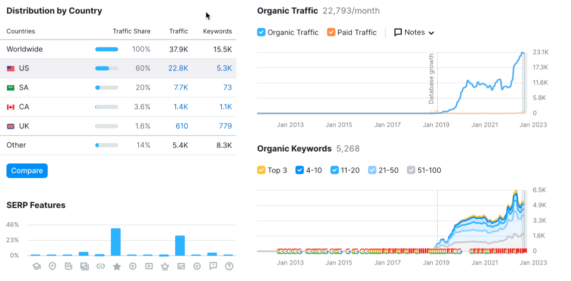
SEO is not a set-it-and-forget-it discipline. Google Algorithm updates happen multiple times a year, competitor strategies shift, and user behavior evolves. What worked two years ago may hurt you today. But the fundamentals - clear content, solid technical foundation, good user experience, and honest link building - have remained consistent. If you build your strategy around those pillars and use reliable data from tools like Moz or SEMrush to guide your decisions, you will see steady improvement over time.
The handmade ceramics site I mentioned earlier eventually started ranking for terms like "handmade coffee mug" and "artisan ceramic bowl" after I cleaned up its technical issues and wrote detailed product guides. It never became a massive store, but it found its audience. That is the quiet power of SEO: it does not promise overnight success, but it connects the right people to the right site, and that connection is worth the effort.